
Treat bleeding gums, swelling, and loose teeth with regular and deep cleaning. Advanced options like laser gum treatment, gum surgery, splinting for loose teeth, gum curettage, gum recession treatment, and bone grafting help restore healthy, strong gums.
Stabilizing Loose Teeth and Restoring Gum Health
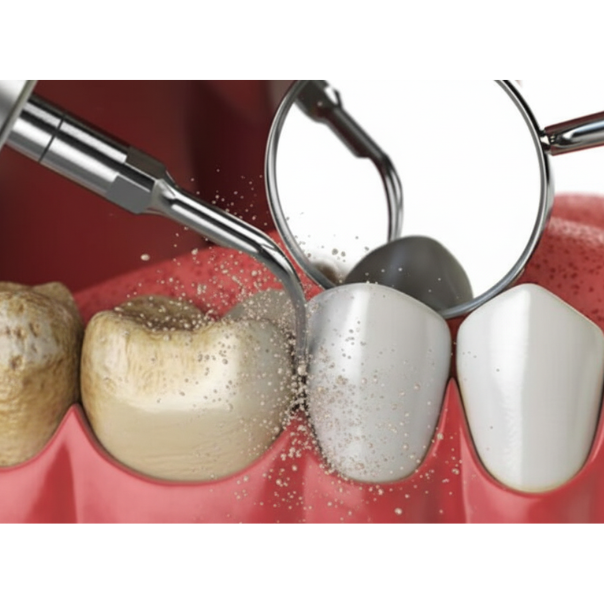
Loose teeth can be a sign of underlying gum disease or bone loss caused by plaque and tartar buildup. Our scaling and splinting treatment focuses on both deep cleaning your gums and stabilizing the affected teeth to restore comfort and confidence in your smile.
Scaling is a gentle yet effective deep-cleaning procedure that removes plaque, tartar (calculus), and stains from above and below the gumline. This helps prevent and reverse early signs of gingivitis and periodontitis, strengthens gum attachment, and improves overall oral health.
Splinting involves joining loose teeth together using a thin fiber-reinforced material, helping to stabilize the teeth and allow the supporting tissues to heal naturally.
Together, scaling and splinting not only treat gum infections but also help preserve your natural teeth for the long term.
Recommended for:
Benefits:
Advanced Gum Care for Deep Healing
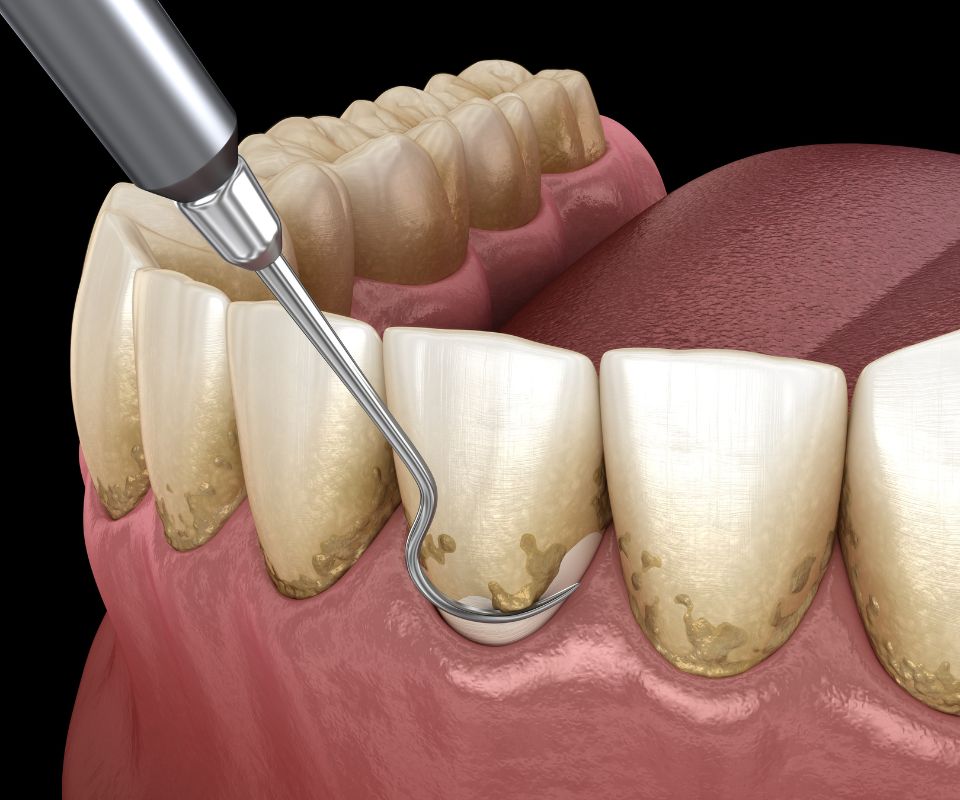
If you’re experiencing bleeding gums, gum pockets, or loose teeth, you may be dealing with advanced gum disease (periodontitis). Our Root Planing + Curettage procedure is a specialized deep cleaning treatment that goes beyond regular scaling. We gently remove bacterial toxins and hardened plaque from deep gum pockets and then smooth the root surfaces, helping the gums reattach to the teeth and halt disease progression. Curettage also involves carefully removing infected tissue, encouraging the gums to heal naturally. This treatment is essential in preventing tooth loss and restoring oral health.
Ideal for:
Benefits:
When Advanced Care Is the Key to Saving Your Smile
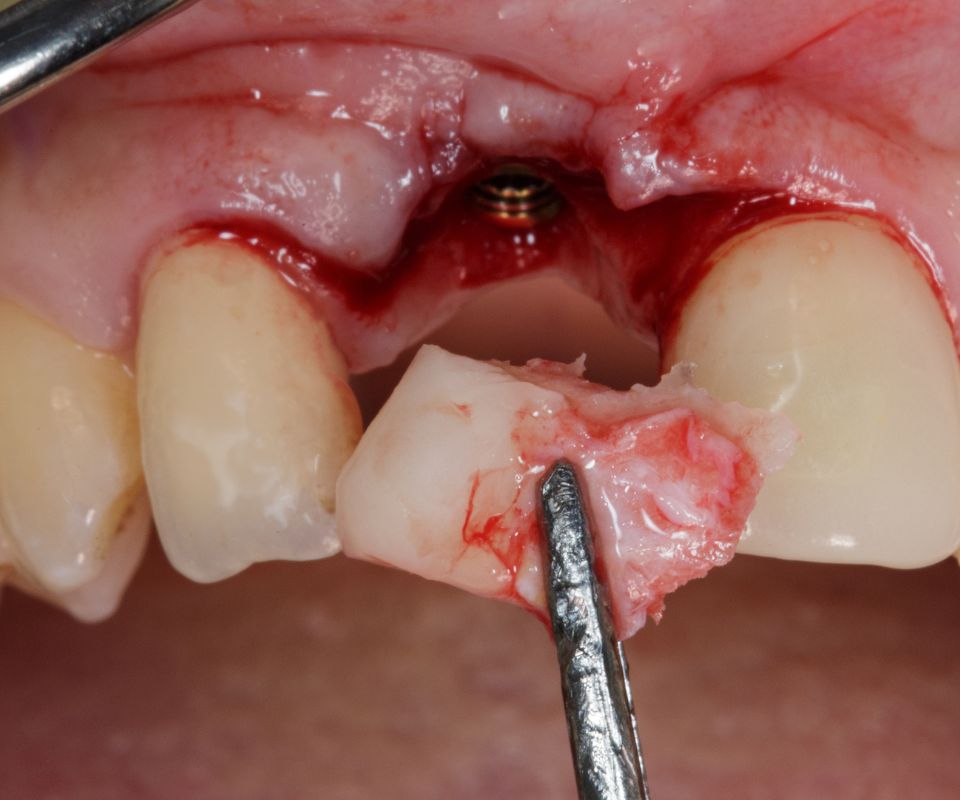
In cases of severe periodontal (gum) disease, non-surgical treatments like scaling and root planing may not be enough. Our Surgical Intervention procedures are carefully planned to restore gum health, regenerate lost bone, and preserve your natural teeth. These treatments include techniques such as flap surgery, bone grafting, and guided tissue regeneration—all aimed at eliminating deep infection and rebuilding the supporting structures of your teeth.
Performed by skilled specialists under sterile, pain-controlled conditions, these procedures give your gums and bones the best chance to heal, reattach, and thrive.
Recommended for:
Benefits:
When Saving a Tooth Isn’t Possible—Protecting What Comes Next
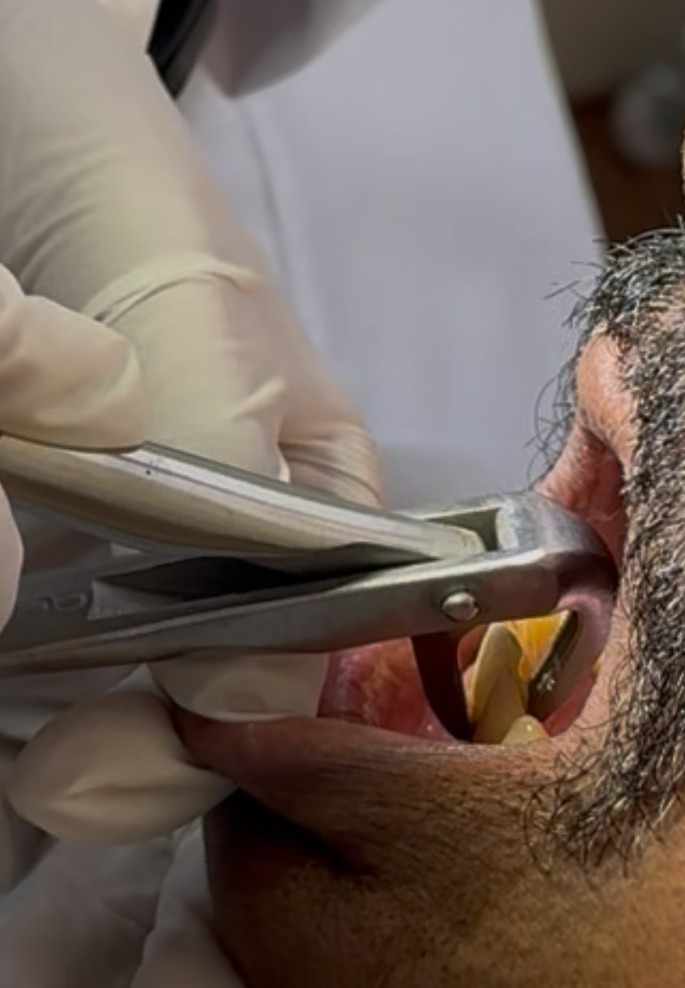
In the final stages of advanced gum disease (periodontitis), some teeth may become so loose and infected that saving them is no longer viable. In such cases, Periodontal Extraction becomes necessary—not just to remove the damaged tooth, but to protect surrounding teeth and tissues from further infection and create a healthier foundation for future treatments like implants, bridges, or dentures.
Performed under local anesthesia with minimal discomfort, this procedure ensures that oral rehabilitation can begin in a clean, infection-free environment.
Recommended for:
Benefits:

At Dollar Smiles Dental Hospital, we believe a healthy smile is a gateway to a healthier, happier life. Established with a vision to deliver world-class dental care with empathy and ethics, we are known for our commitment to excellence, safety, and patient satisfaction.


Opp. Pranadhara Super Speciality Hospital, HMT Rd, Beside Chintal Bus Stop, Hyderabad, Telangana 500054
Flat No. 302, 3rd Floor, Vasu Heights, Lumbini Avenue, Near Preston Prime Mall, Gachibowli, Hyderabad – 500032
dollarsmiles25@gmail.com
©Copyright 2023 Dollarsmiles. All rights reserved.